
The Complete Guide to Automatic Irrigation Systems in Kuwait
If you've ever tried to keep a garden alive through a Kuwaiti summer, you already know the problem. It's not that watering is hard, exactly, it's that getting it right by hand is nearly impossible. One day it's manageable, the next the heat spikes and everything you watered yesterday looks like it's given up overnight. Water here isn't something to waste either, which makes the whole thing feel a little higher stakes than it does in milder climates.
That's really the case for automatic irrigation, not as some fancy upgrade, but as the thing that actually makes sense given the conditions. It's less about convenience and more about working with a climate that doesn't leave much room for guesswork. Here's why manual watering struggles here, how these systems actually work, what they're worth in practical terms, and what's worth thinking about before installing one.
Why Kuwait's Climate Makes Manual Watering Unreliable
Kuwait doesn't really do "moderate." Summers are long, dry, and intensely hot, and rainfall is minimal for most of the year, which alone makes manual watering a guessing game, and a difficult one to win consistently.
Here's the trap people fall into: watering feels fine during the cooler months, so the habit sticks. Then summer hits, the same routine suddenly isn't enough, and by the time it's obvious, the damage is already done. Or it goes the other way, overwatering during cooler stretches wastes water without anyone noticing, because the yard still looks fine either way. The margin for error is small, and it shrinks even more once the temperature climbs past a certain point.
The result is patchy lawns, stressed plants, and water bills that don't match the effort being put in. It's rarely a matter of carelessness. Watering by feel simply doesn't hold up when the weather changes as sharply as it does here, and even attentive homeowners end up over- or under-correcting without realizing it.
How Automatic Irrigation Systems Actually Work
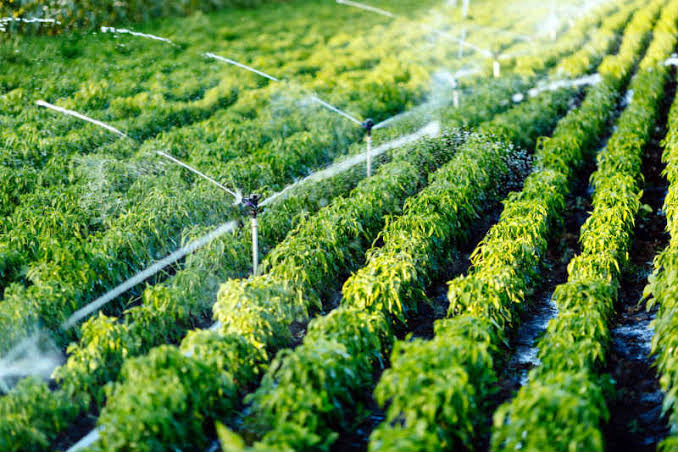
None of this requires understanding complicated tech. At the most basic level, a system has a controller, valves that control water flow, and either sprinkler heads or drip lines that actually deliver the water. What makes it "smart" is that the controller can adjust watering based on the season, the weather, and sometimes even soil moisture, instead of running on a fixed schedule regardless of what's actually happening outside.
There's also a choice between drip and sprinkler setups, and it usually comes down to what's being watered. Garden beds and individual plants tend to do better with drip lines, since water goes straight to the roots with very little waste. Open lawn areas usually call for sprinklers, which cover more ground at once, and a lot of properties end up using both, set up as separate zones on the same system.
The zoning piece matters more than people expect. A garden bed and an open lawn don't need the same amount of water at the same time, and running them off one uniform schedule is often where waste creeps in even with a basic automated setup. Proper zoning lets each area get exactly what it needs, which is where a lot of the real savings actually come from.
Key Benefits for Homes and Properties in Kuwait
Water and cost savings are usually the first thing people notice. Overwatering is one of the biggest silent water-wasters, and a properly scheduled system cuts that out almost entirely, which adds up fast given how much water actually costs here. Over the course of a year, the difference between guesswork watering and a properly scheduled system can be substantial.
Healthier landscapes come next. Plants and lawns that get consistent, appropriately timed watering handle the summer heat noticeably better than ones running on a rough manual schedule. Less stress on the plants generally means less replacing and replanting down the line, which is its own kind of savings that's easy to overlook until you add it up.
And then there's the simple relief of less manual effort, not adjusting hoses, not trying to remember to water before it gets too hot, not guessing whether yesterday's watering was enough. It just happens correctly, without anyone thinking about it. For properties with larger gardens or multiple zones, that time saved becomes even more noticeable.
What to Look for When Choosing a System
Property size and layout matter first. A small yard might only need a simple, single-zone system, while larger properties usually benefit from a zoned setup, different areas watered differently, based on what's actually growing there. Getting this part right from the start avoids having to redo zoning later, which is more disruptive than planning for it upfront.
Soil and plant type matter too, especially here. Kuwait's sandy soil doesn't hold water the way denser soil does, which affects both how much water is needed and how quickly it drains. A system designed with that in mind performs very differently from one that isn't, since sandy soil often needs shorter, more frequent watering cycles rather than long, infrequent ones.
And then there's the question of professional installation versus a DIY kit. It's tempting to go the DIY route, but in extreme heat, small mistakes, wrong pressure, poor placement, an undersized controller, tend to show up fast and cost more to fix later. Professional design and installation tends to be the difference between a system that just works and one that needs constant troubleshooting. It also means the system is actually built around the property's specific layout, rather than a generic setup that happens to be close enough.
Conclusion
In a climate like Kuwait's, automatic irrigation isn't really a luxury add-on, it's closer to a practical necessity. Manual watering simply can't keep pace with how much the weather swings here, and the cost of getting it wrong, in water, in plants, in time, adds up faster than people expect.
A properly designed and installed system takes all of that guesswork away. If you're considering one, it's worth having someone take a look at your specific property before deciding on a setup. What works for one yard doesn't always work for another, and getting that right from the start makes all the difference later.